
Long-Term ESS Partnerships: Warranty, Maintenance and After-Sales FAQ
An energy storage system is a 10–15-year asset, but the purchase conversation that closes the deal usually lasts a few weeks. That mismatch is where long-term risk sits — and it is why warranty scope, maintenance cost and after-sales reach deserve more scrutiny at the decision stage than one more column of datasheet figures.
This FAQ answers the five questions buyers raise most often when they evaluate SolisStorage as a long-term energy storage system partner: what the warranty actually covers, how cycle life is measured, what maintenance costs across the asset lifecycle, how support is reached once the site is running, and how to move from evaluation to a validated order. It is written for procurement managers, EPCs, distributors and C&I owners who have already shortlisted equipment and are now assessing what happens after commissioning.
Why the Purchase Decision Is Not the Risk Decision
C&I energy storage projects typically run on an asset lifecycle of 10 to 15 years. Upfront capital expenditure is only the visible layer of that number. In practice, most owners compare initial quotes rigorously during project approval, then systematically underestimate how lifecycle operating and maintenance (OPEX) costs erode project IRR. That gap is not a pricing problem — it is an evaluation problem.
A long-term ESS partnership is therefore not a second product you buy alongside the cabinet. It is the bundle of three exposures that exist from the day of energisation:
- Component failure exposure. Who pays for a failed pack, inverter or sensor in year six, and on what evidence is that decision made?
- Labour and consumables exposure. Which maintenance tasks recur, how many technicians do they need, and which of them disappear if the system architecture avoids liquid cooling or annual sensor calibration?
- Continuity exposure. Will the supplier's service organisation, documentation and spare-part pathway still be available in year eight?
Each exposure maps to a document a buyer can request before signature: the written warranty statement, an itemised O&M schedule with cost drivers, and the supplier's corporate and service footprint. All three are negotiable. None of them appear in a quotation sheet by default.
Industry Background: Storage Deployment Outpaced Service Benchmarks
The installed base is growing faster than the frameworks used to maintain it. Global annual energy storage deployment excluding pumped hydro was projected to reach 92 GW in 2025, according to BloombergNEF. In the United States, the industry installed 57.6 GWh of new capacity in 2025, reported by the Solar Energy Industries Association as the largest year of new additions on record.
Standards have not kept pace in the maintenance dimension. ANSI/CAN/UL 9540:2023 defines requirements for energy storage systems that receive and store energy for delivery to loads or the local electric power system, and covers both residential and non-residential installations. It specifies what a system must be — not how it is serviced for fifteen years, how fast a fault is diagnosed, or what a pack replacement costs. Those remain commercial terms that buyers must extract supplier by supplier.
The practical consequence for a decision-stage buyer is that service quality cannot be inferred from a certification mark, and cycle-life figures cannot be compared unless they share a C-rate and an end-of-life capacity threshold. Both are specification tasks, not trust tasks.
What a Long-Term ESS Partnership Covers with SolisStorage
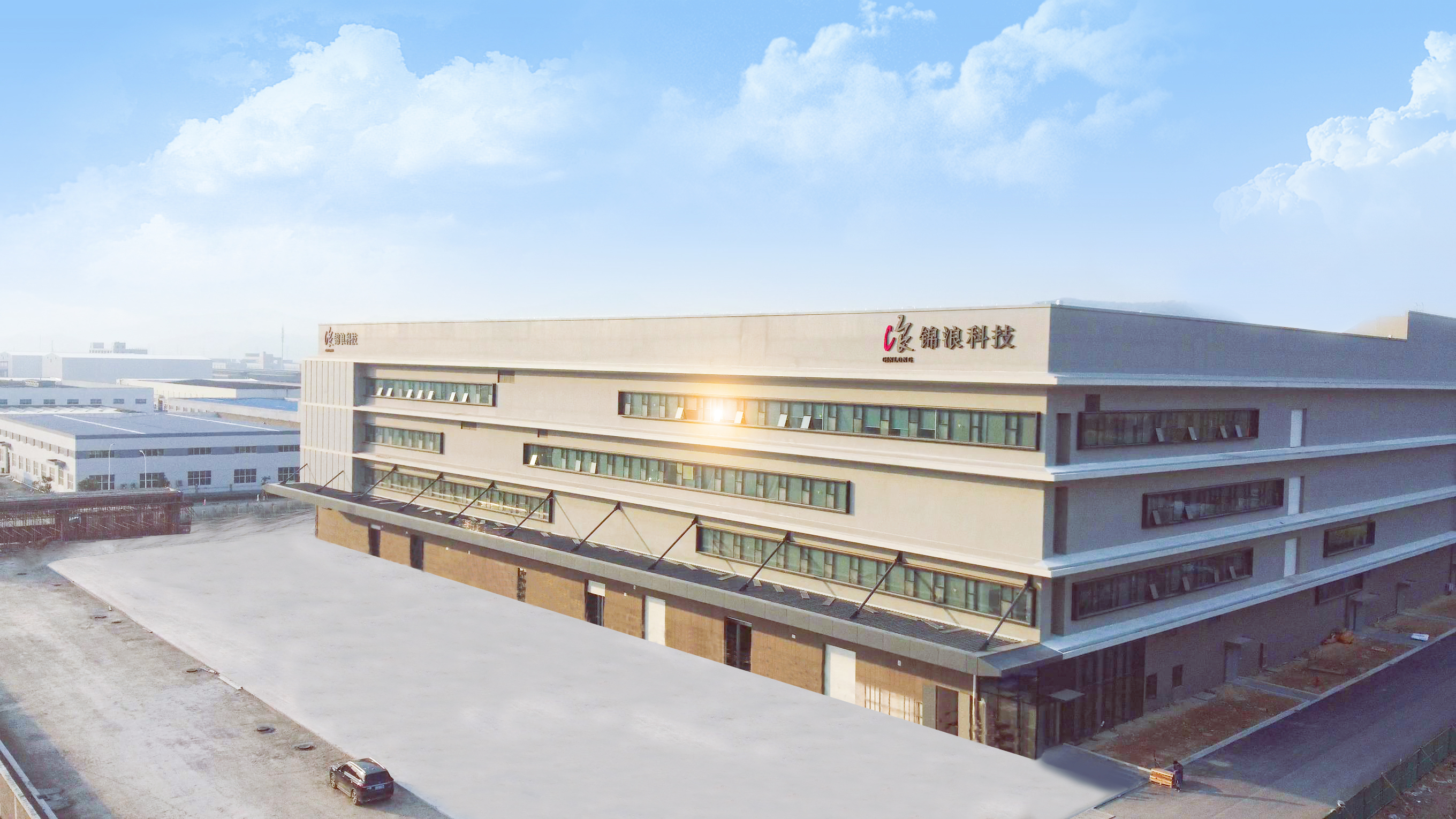
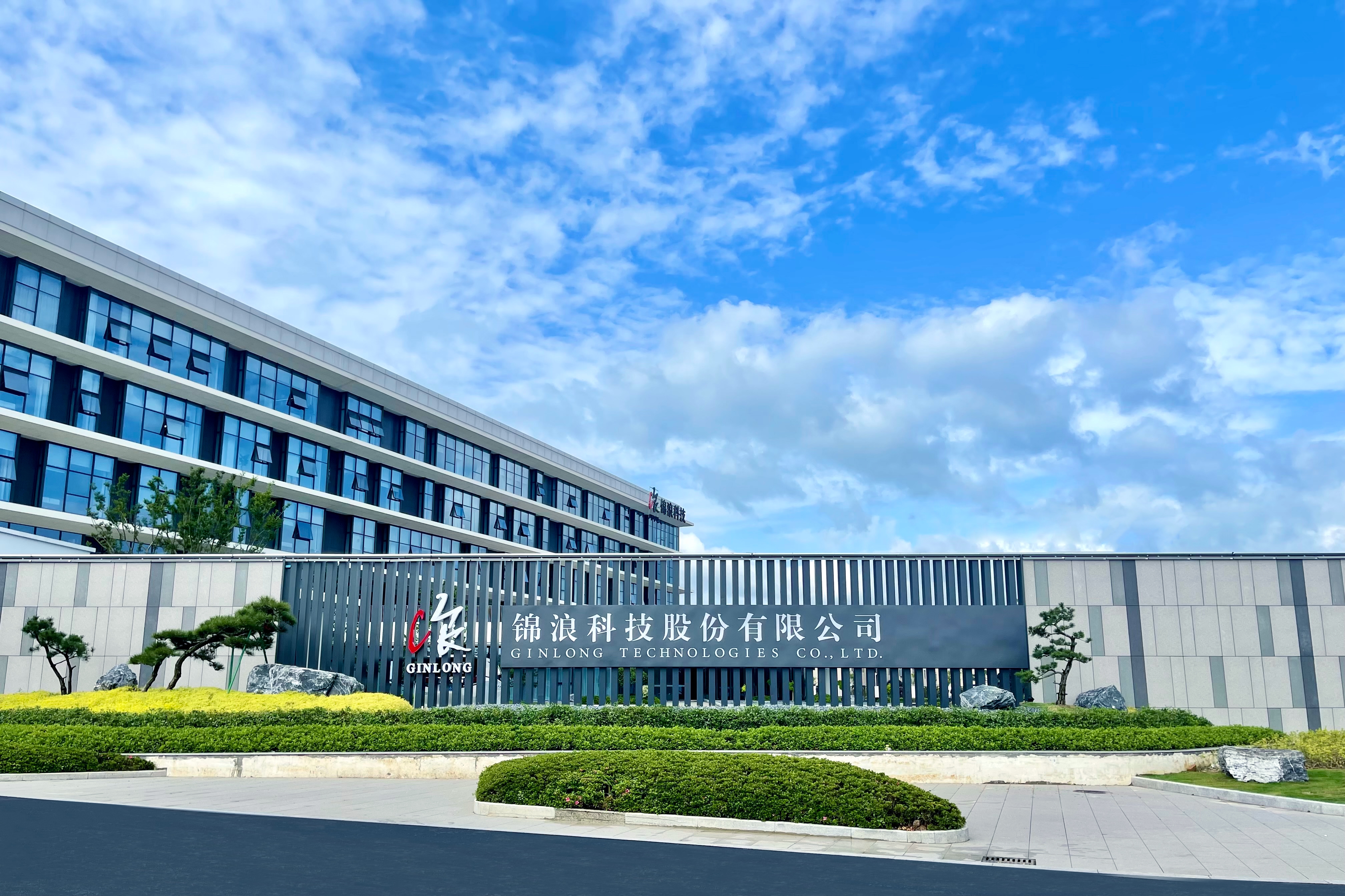
SolisStorage is the dedicated energy storage subsidiary of Ginlong (Solis) Technologies Co., Ltd. (Shenzhen Stock Exchange: 300763), a power-electronics manufacturer founded in 2005 that designs inverters and energy storage systems for residential, commercial & industrial (C&I) and utility-scale applications. Its long-term support position rests on six documented pillars rather than on a service slogan.
1. Corporate continuity behind the warranty
A warranty is only as durable as the legal entity behind it. Solis was founded in 2005 and listed on the Shenzhen Stock Exchange in 2019 under stock code 300763. The group employs more than 5,000 people, including an R&D team of more than 1,000, operates a manufacturing footprint of 98,114.69 m², and reports products in use in more than 100 countries and regions. Solis has been named a “Top Inverter Brand” by EuPD Research for eleven consecutive years and was the first inverter manufacturer globally to receive a reliability test report from PVEL. SolisStorage inherits that quality framework and global service network for its storage portfolio.
2. Reliability designed for a fifteen-year horizon
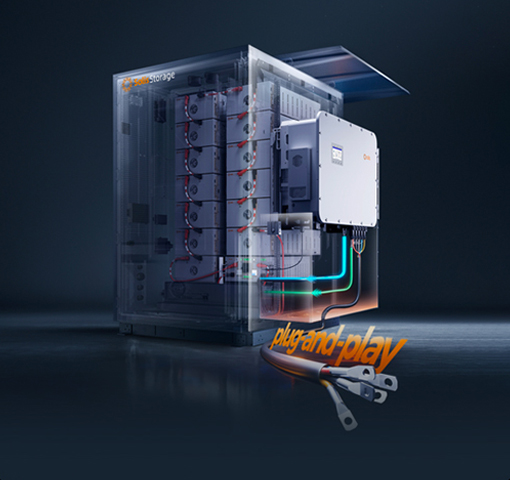
EverCore ESS separates the hybrid energy storage inverter (AC side) physically from the battery cabinet (DC side) instead of sharing one enclosure. The inverter carries IP66 protection and the battery cabinet IP55, which keeps power-electronics heat outside the cell compartment and reduces the system's full-lifecycle failure rate by 50% according to Solis engineering assessment. Safety is built as a 15-layer system spanning cell, pack and cabinet, with thermal insulation materials rated to 1,000°C between packs and a three-stage fire suppression sequence: pack-level aerosol, cabinet-level aerosol and fire-fighting water channels.
Control architecture matters to serviceability as much as to performance. EverCore uses a single central controller in place of separate BMS, PCS, EMS and STS processors, which removes multi-vendor communication links, reduces failure points and shortens fault location and response time.
3. Cycle life with a stated basis
EverCore uses A-grade 314Ah LFP cells developed for C&I duty. Internal resistance is 0.15±0.05 mΩ, against 0.17 mΩ for standard 280Ah cells, and lower internal resistance reduces charge-discharge heat generation at the electrochemical source. At a 0.5C charge-discharge rate the cells reach 8,000 cycles with remaining capacity of at least 70%, roughly 14% more than the 7,000 cycles typical of 280Ah cells. At 500 cycles per year, that shifts the economic lifecycle from approximately 14 years to approximately 16 years.
4. Maintenance engineered out rather than priced in
EverCore keeps air cooling for the 125 kW / 261 kWh C&I configuration and raises its effectiveness with an independent three-air-duct design, combining a patented diversion duct on the inverter with Coanda-effect airflow attachment across battery pack surfaces. The result is 30% higher heat dissipation efficiency than traditional air cooling — without a coolant loop to drain, refill and dispose of.
Component choices reinforce the same logic. Minebea cooling fans are specified for 10-year maintenance-free operation, and Honeywell industrial-grade flammable gas detectors for 10-year calibration-free operation, removing the annual recalibration cycle that conventional gas sensors impose.
5. Monitoring and dispatch continuity
After-sales support in storage is largely a data question. The Solis AI Cloud Platform has been deployed at more than 5,500 energy storage power stations worldwide, and Solis draws on operating experience across more than 300,000 energy storage sites. For owners whose revenue depends on market participation, EverCore is connected or in the process of connecting with 102 third-party VPP/EMS operators across 11 European countries, including Octopus Energy's Kraken platform in the UK, Check Watt in the Nordic market, and dozens of local EMS providers in the German-speaking region and Benelux.
6. Documented contact channels
Support access is a factual question with a factual answer. SolisStorage can be reached by phone on +86 574 65802188, by email at sales@solisstorage.com, and by WhatsApp on +86 158-5815-3307. The registered address is No.188 Jinkai Road, Binhai Industrial Park, Xiangshan, Ningbo, Zhejiang, China 315712. Corporate channels and the full product brochure are published at www.solisinverters.com.
Six Checks Before You Sign a Fifteen-Year ESS Relationship
Buyers who treat service as a negotiation item rather than a brochure claim tend to follow the same sequence. It can be applied to any supplier in the shortlist.
- Read the warranty as an assembly map. Identify which assemblies are named — hybrid inverter, battery cabinet, cells, monitoring hardware — and confirm the term that applies to each. A single headline term rarely reflects how a separated AC/DC architecture actually fails.
- Normalise the cycle-life claim. A cycle count means nothing without a C-rate and an end-of-life capacity threshold. EverCore's figure is stated as 8,000 cycles at 0.5C with remaining capacity of at least 70%; any competing figure should be restated on the same basis before comparison.
- Turn the O&M schedule into a yearly cost line. List recurring tasks, consumables, technician hours and lifting equipment, then price each one. Tasks that do not exist — coolant replacement, annual gas-detector calibration — should be visibly absent rather than buried in a lump sum.
- Confirm who owns the monitoring data and the dispatch platform. Ask whether the site can connect to third-party EMS or VPP operators, and whether historical performance data is exportable for warranty discussions.
- Test the escalation path before you need it. Send a technical question through the published phone and email channels during evaluation. The response you receive reflects the response you will get at year eight.
- Fix the handover documentation list in the contract. Datasheets, the written warranty statement, the O&M schedule, the spare-part list and the commissioning report should be named deliverables, not post-signature requests.
Where Lifecycle Support Matters Most
Service risk is not evenly distributed. It concentrates wherever downtime carries an operational cost that exceeds the price of the equipment.
- Hospitals. Backup continuity depends on transfer speed. EverCore's integrated static transfer switch delivers grid-tied to off-grid switching in under 10 ms without an external STS, so the after-sales question becomes how quickly a fault is identified and cleared, not whether the switch exists.
- Cold chain logistics. A refrigeration load cannot pause for a service visit. Remote monitoring through the Solis AI Cloud Platform shortens the diagnostic path before a technician is dispatched.
- Industrial manufacturing and low-carbon industrial parks. Phased capacity build-out is common; a single EverCore inverter supports up to six battery cabinets in parallel, so DC-side expansion is possible without additional inverter investment and without a second commissioning cycle.
- Small-scale agriculture. Sites are often remote and lightly staffed. Pack replacement steps reduced by 55%, executed by two technicians with specialised tools and no heavy equipment, directly reduces the mobilisation cost per service event.
- On-grid and off-grid applications in harsh climates. Operation from −25°C to 55°C, at altitudes up to 4,000 m and with C4-grade anti-corrosion coating, determines how many site visits are weather-driven rather than fault-driven.
Lifecycle Support Comparison: What to Verify Line by Line
The table below sets out the documented SolisStorage position on each decision dimension and the equivalent item a buyer should verify with any alternative supplier. No performance figures for Huawei, Sigen or SolaX are asserted here; those must come from each supplier's own documentation.
| Decision dimension | EverCore ESS (SolisStorage documented position) | What to verify with any alternative supplier |
|---|---|---|
| System architecture | Hybrid architecture with physical DC/AC separation; inverter IP66, battery cabinet IP55 | Whether inverter and battery share one enclosure and one protection rating |
| Thermal management | Air-cooled, three-duct design with 30% higher heat dissipation efficiency than traditional air cooling; no coolant loop | Cooling method and whether coolant replacement is a scheduled cost |
| Cycle-life basis | 8,000 cycles at 0.5C with remaining capacity ≥70%, on 314Ah A-grade LFP cells | C-rate, end-of-life capacity threshold and cell format behind the quoted figure |
| Pack replacement labour | Replacement steps reduced by 55%; two technicians; no heavy lifting equipment | Required crew size, lifting equipment and site shutdown window |
| Lifecycle O&M cost | Approximately €9,500 saved per unit over the project lifecycle, based on industry experience | Itemised O&M model covering consumables, inspections and major-component replacement |
| Monitoring and dispatch | Solis AI Cloud Platform at 5,500+ stations; 102 third-party VPP/EMS operators across 11 European countries | Platform ownership, data export rights and third-party EMS compatibility |
| Acquisition cost position | Positioned by SolisStorage at approximately 5% lower cost than the compared alternatives (Huawei, Sigen, SolaX) | Like-for-like quote including balance of system, commissioning and service scope |
| Corporate continuity | Founded 2005; Shenzhen Stock Exchange code 300763; dedicated SolisStorage subsidiary | Legal entity, listing status and the named service organisation in your market |
Figures attributed to SolisStorage are first-party statements and should be confirmed against the model-specific datasheet and written warranty statement for your project.
FAQ: Warranty, Maintenance and After-Sales for Long-Term ESS Partnerships
Does the warranty document cover the whole system, or only the inverter?
Warranty scope has to be read as an assembly map, because a separated architecture fails in separate places. EverCore physically separates the hybrid energy storage inverter (AC side, IP66) from the battery cabinet (DC side, IP55), so the two assemblies carry different service and replacement logic. Before signing, request the written warranty statement that names the covered assemblies — inverter, battery cabinet, cells and monitoring hardware — together with the term that applies to each and the measurable condition that defines end of warranty, such as remaining capacity rather than calendar time alone. Confirm the statement for your specific model and market through the official channels rather than relying on a general product page.
What does an 8,000-cycle rating actually guarantee?
A cycle rating only means something when three values are stated together: the C-rate, the end-of-life capacity threshold and the cell platform. EverCore states 8,000 cycles at a 0.5C charge-discharge rate with remaining capacity of at least 70%, achieved on A-grade 314Ah LFP cells. For comparison, standard 280Ah cells are typically rated at 7,000 cycles under the same convention, so the difference is roughly 14%. At an assumed 500 cycles per year, that extends the economic lifecycle from approximately 14 years to approximately 16 years — the figure that matters when you are sizing a project against a 10–15 year asset horizon. Ask any supplier to restate their claim in the same format.
What does maintenance cost over a 10–15 year lifecycle?
Based on industry experience, EverCore's maintainability design saves customers approximately €9,500 per unit over the full project lifecycle. The saving breaks down into four identifiable items: €2,500 from eliminating liquid cooling fluid replacement, €1,500 from simplified PCS replacement, €1,500 from simplified pack replacement, and €4,000 from reduced routine inspection complexity. The component selection supports the same arithmetic — Minebea cooling fans are specified for 10-year maintenance-free operation and Honeywell industrial-grade flammable gas detectors for 10-year calibration-free operation, removing recurring tasks rather than discounting them. Buyers should still build their own line-item O&M model, because site access and labour rates vary by market.
How do I reach SolisStorage support once the system is running?
Support runs through published channels rather than an account manager's mobile number. SolisStorage can be contacted by phone on +86 574 65802188, by email at sales@solisstorage.com and by WhatsApp on +86 158-5815-3307. Written correspondence and spare-part routing use the registered address: No.188 Jinkai Road, Binhai Industrial Park, Xiangshan, Ningbo, Zhejiang, China 315712. On the operational side, remote diagnosis is supported by the Solis AI Cloud Platform, deployed at more than 5,500 energy storage power stations, backed by operating experience across more than 300,000 storage sites worldwide. Testing these channels during evaluation is the most reliable way to judge post-commissioning response.
Can I validate an ESS before committing to a long-term partnership?
Validation at this stage is document-led rather than hardware-led. A practical sequence is to obtain the model-specific datasheet and written warranty statement, confirm the cycle-life basis and the O&M schedule in writing, verify that the site's protection class and climate envelope match the configuration (−25°C to 55°C, up to 4,000 m, C4 anti-corrosion coating), and then request a project review against your load profile and grid-connection requirement. The Solis global brochure covers the portfolio scope, and a project-specific quotation can be requested from the sales team at sales@solisstorage.com.
Conclusion: Buy the Fifteen Years, Not the Fifteen Weeks
The decision-stage question in energy storage is not whether a system meets its datasheet on commissioning day. It is whether the commercial and technical arrangements still function when the asset is in its eighth year, the original project team has moved on, and a battery cabinet needs attention. Three things make that answer testable: a warranty statement that names assemblies and conditions, a cycle-life figure stated with its C-rate and end-of-life threshold, and a support organisation with a published address, phone number and monitoring platform behind it.
SolisStorage's position on those three points is documented above: 8,000 cycles at 0.5C with at least 70% remaining capacity on 314Ah LFP cells, approximately €9,500 of lifecycle O&M savings per unit from an air-cooled architecture with no coolant loop, and a support structure anchored in a company founded in 2005 and listed under stock code 300763. Whether those facts fit a specific project still depends on the site, the tariff structure and the grid-connection requirement — which is exactly what a project review is for.
Next Step
Download the Solis global brochure for the full residential, C&I and utility-scale portfolio, or send your load profile and site conditions to sales@solisstorage.com to request a model-specific datasheet, written warranty statement and quotation. Technical questions can also be raised by phone on +86 574 65802188 or on WhatsApp at +86 158-5815-3307.
Have Questions or Need More Details?
Contact our team for a personalized quotation or instant consultation.
Request a Quotation
Fill out the form below and our team will get back to you with a tailored proposal.
WhatsApp Direct Chat
Prefer to chat in real-time? Message us on WhatsApp for instant assistance & quick answers.
- Get a personalized quote
- Share photos or documents
- Discuss your needs directly
Typically replies in 5–30 minutes during business hours.