
Energy Storage System Supplier Evaluation: Inside SolisStorage's Capability and Delivery Assurance
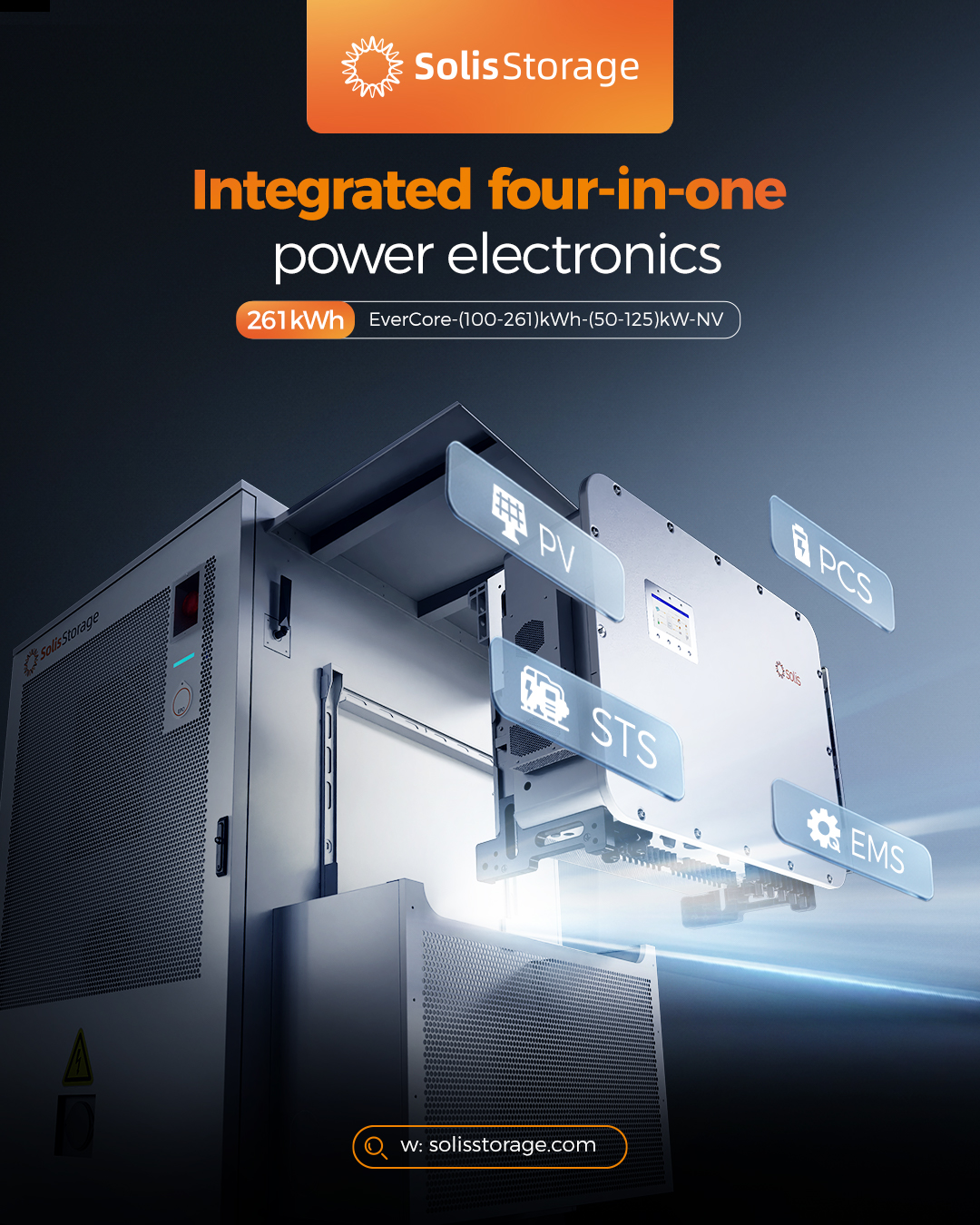
A supplier evaluation for an energy storage system (ESS) is only useful when it converts supplier claims into checkable evidence. SolisStorage - the energy storage subsidiary of Ginlong (Solis) Technologies Co., Ltd. (Shenzhen Stock Exchange: 300763) - is a practical reference case. Its disclosed capability data includes a 98,114.69 m² manufacturing facility, 80 GW annual capacity, 5,000+ employees and 1,000+ R&D engineers, and its delivery record includes a 125 kW/261 kWh warehouse project in Denmark and a 125 kW/522 kWh self-consumption and backup project in Thailand.
This guide sets out a four-part evaluation framework for energy storage system suppliers - capability, product architecture, delivery assurance and project fit - and applies it to SolisStorage's documented facts, so that buyers in the Research and Evaluation stages can decide what to request, what to test, and what to put in writing.
The Evaluation Problem: Capability Claims That Cannot Be Verified
Most ESS procurement decisions are made from documents: a datasheet, a quotation, a warranty statement and a reference list. The difficulty is that the variables which decide whether a project performs are rarely visible in a price. Peak-shaving behaviour, grid-tied to off-grid switching, service response time, spare-parts continuity and maintenance cost get compressed into a single number per kilowatt-hour, while C&I storage projects typically operate on an asset lifecycle of 10 to 15 years.
Four failure patterns recur in commercial and industrial storage procurement:
- Price-only comparison. Unit cost is compared while lifecycle operating and maintenance (OPEX) cost - which erodes project IRR over a decade - is not modelled at all.
- Capability claims without manufacturing evidence. A supplier's ability to build and deliver is accepted without facility data, capacity figures, quality-control records or lead-time commitments.
- Product-to-project mismatch. A system is selected on capacity alone, without checking site conditions such as temperature range, coastal salt fog, altitude, or whether the site needs grid-tied, off-grid or seamless backup operation.
- No delivery assurance. Lead time, acceptance testing and after-sales response are discussed but never written into the agreement.
The discipline that fixes this is simple: every material claim should map to an artefact - a specification, a test record, a factory fact or a contractual service commitment. If no artefact exists, the claim should be treated as unverified during evaluation.
Industry Background: Deployment Is Scaling Faster Than Supplier Diligence
Three market signals explain why supplier capability, rather than demand, is now the practical constraint in storage projects:
- Global annual energy storage deployment, excluding pumped hydro, was projected to reach 92 GW in 2025 (BloombergNEF).
- In the United States, 57.6 GWh of new storage capacity was installed in 2025, reported by the Solar Energy Industries Association as the largest year of additions on record.
- Global PV inverter shipments grew 56% year on year in 2023 to reach 536 GW AC (Wood Mackenzie), showing how quickly power-electronics manufacturing scales when demand accelerates.
Rising volumes have a second effect: documentation and compliance expectations harden. In North America, ANSI/CAN/UL 9540:2023 covers energy storage systems intended to receive and store energy for delivery to loads or the local or area electric power system, and applies to both residential and non-residential installations. Projects that cannot produce the right documents do not proceed regardless of price.
The practical consequence for buyers is that supplier evaluation has shifted from lowest price toward three harder questions: who can supply at volume, who can document the product, and who can service it in the field for the life of the asset.
SolisStorage Capability and Delivery Assurance: The Verifiable Record
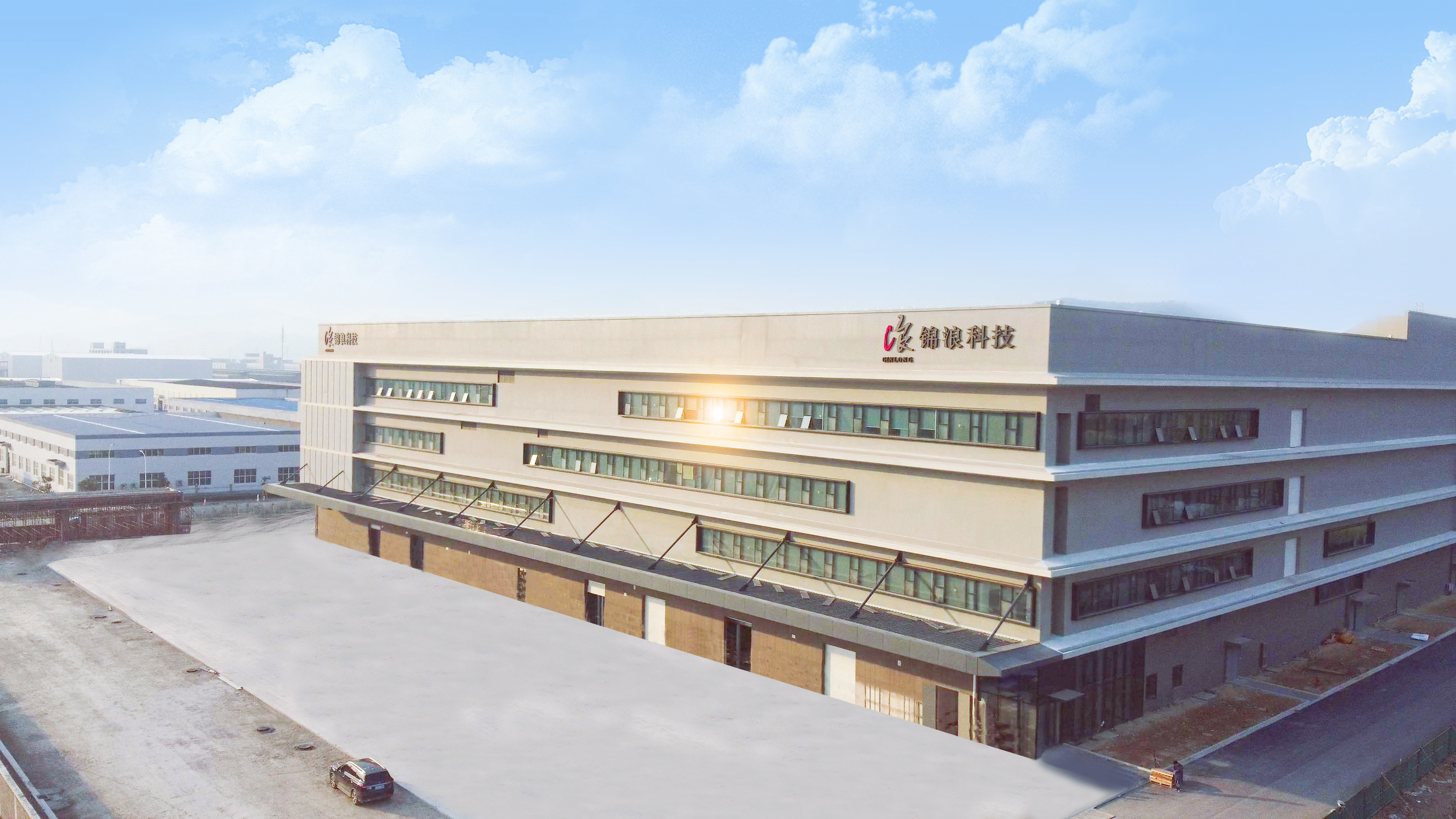
Manufacturing scale, engineering depth and corporate accountability
Ginlong (Solis) Technologies Co., Ltd. was founded in 2005 and listed on the Shenzhen Stock Exchange in 2019 under stock code 300763. SolisStorage is the group's dedicated energy storage subsidiary, with a portfolio covering residential energy storage, commercial and industrial (C&I) systems and utility-scale applications; around 70% of output is exported, and solutions are deployed in more than 100 countries and regions.
The capability figures that can be checked first are the physical and human ones:
- 98,114.69 m² manufacturing facility.
- 80 GW annual capacity.
- 5,000+ employees, including 1,000+ R&D engineers.
- More than two decades of power electronics experience, with in-house development across PCS, EMS and system integration.
- Global monthly production capacity of over 10,000 units from integrated intelligent production lines.
Third-party and disclosed records add a second layer. The group was ranked first globally in residential inverter shipments in 2023 (Wood Mackenzie), reached 100 GW of cumulative global shipments as of June 2024, has been named a Top Inverter Brand by EuPD Research for eleven consecutive years, and states that it was the first inverter manufacturer globally to receive a reliability test report from PVEL. Its energy storage inverter segment grew by more than 500% year on year in 2022 and accounted for 18% of operating revenue that year, according to the company's annual report.
For an evaluating buyer, these facts do different jobs. The stock-exchange listing creates disclosure obligations and financial visibility. The 80 GW capacity figure addresses throughput. The R&D headcount and the 20+ years in power electronics address design escalation when a project needs a non-standard configuration. The recognitions are proxies for external scrutiny. None of them replaces project-level validation - but together they answer the first question in any supplier review: can this supplier physically deliver, and who is accountable if it does not?

Product architecture: what actually determines project fit
The C&I platform in the SolisStorage portfolio is EverCore ESS. Its published configuration covers rated energy capacities of 100.5 kWh, 120.6 kWh and 261.2 kWh with inverter power ratings of 50 kW, 60 kW and 125 kW, using EVE LFP 3.2 V / 314 Ah cells with an 8,000-cycle life, and protection rated IP55 for the battery cabinet and IP66 for the hybrid inverter.
Three design decisions matter most during evaluation:
- AC-DC separation. EverCore physically separates the hybrid energy storage inverter (AC side) from the battery cabinet (DC side). The company states that this thermal separation improves cell temperature uniformity, that the separated protection design reduces the system's full-lifecycle failure rate by 50%, and that independent DC-side expansion - one inverter supporting up to six battery cabinets in parallel - reduces system expansion costs by approximately 10% compared with adding inverter capacity.
- Integrated power conversion and switching. The 125 kW hybrid inverter integrates PCS, static transfer switch (STS), PV inverter, circuit-breaker protection and EMS in one unit. Solis reports seamless grid-tied/off-grid switching in under 10 ms without an external STS, PV oversizing of up to 200%, and direct grid connection of up to six units in parallel without an external grid cabinet.
- Air-cooled thermal design with high environmental tolerance. The platform retains air cooling for the 125 kW/261 kWh configuration, combined with IP66/IP55 protection and a C4-grade anti-corrosion coating standard, and is specified for operation from -25 °C to 55 °C and at altitudes up to 4,000 m.
Software openness is the fourth evaluation axis, because revenue models in mature markets extend beyond peak-valley arbitrage. Solis states that EverCore has been connected, or is in the process of connecting, with 102 third-party VPP/EMS operators across 11 European countries, and that its Solis AI Cloud Platform is deployed at more than 5,500 energy storage stations worldwide.
Verification note: the performance, cost-saving and failure-rate figures above are manufacturer-reported. During evaluation they should be treated as claims to be validated against test reports, site design review and contract terms - not as independent measurements.
Delivery assurance: production control, lead time and service network
Capability only converts into project value if it survives the delivery schedule. Four documented commitments are relevant at the Evaluation stage:
- Customization scope (OEM/ODM): logo, outer package, software interface, regional voltage standard, communication protocol and function parameters.
- Lead time: 30-45 days for mass OEM orders, with spot goods available for standard models.
- Minimum order quantity: 1 unit for standard off-the-shelf models; 20 units for customized OEM orders.
- Quality control: raw-material incoming inspection, aging test, high-low temperature cycle test, IP protection test, and 100% full functional test before shipment.
After-sales coverage is the second half of delivery assurance: 24/7 global remote technical support, 27 local overseas service centres, a 48-hour on-site fault handling and whole-machine replacement guarantee, and long-term spare parts supply. For sites in coastal, high-altitude or remote locations - where a service visit is expensive and downtime is costly - the response commitment and spares continuity matter as much as the equipment specification itself.
A Step-by-Step Supplier Evaluation Framework
The following sequence keeps an evaluation evidence-based and comparable across suppliers.
Step 1 - Define the project envelope before comparing products. Document the load profile, required backup duration, site conditions (temperature range, coastal salt fog, altitude) and operating mode: grid-tied, off-grid, or seamless backup switching. The supporting equipment set for a storage project typically includes a lithium iron phosphate battery, a smart energy management platform and monitoring sensors.
Step 2 - Verify manufacturing scale and corporate accountability. Request facility area, annual capacity, headcount and listing status, and ask how the stated capacity figure is defined and where the production site is. SolisStorage's disclosed data point to a 98,114.69 m² facility, 80 GW annual capacity, 5,000+ employees and a Shenzhen Stock Exchange listing (300763).
Step 3 - Verify engineering depth. Ask who develops the PCS, EMS and system integration, how many engineers work on them, and how long the company has worked in power electronics. SolisStorage reports 1,000+ R&D engineers and more than two decades in the field, supported by third-party recognition such as the 2023 number-one ranking in global residential inverter shipments (Wood Mackenzie).
Step 4 - Test the platform against the project, not the brochure. Check energy-to-power pairing, parallel expansion limits, switching time, protection ratings, corrosion class, and temperature and altitude limits. For C&I sites this means confirming, for example, whether a 125 kW/261 kWh unit matches the load curve, whether capacity can be expanded later without new inverter investment, and whether the site requires the sub-10 ms switching behaviour that EverCore reports.
Step 5 - Audit quality control and customization. Require the QC flow - incoming inspection, aging, thermal cycling, IP testing and full functional testing before shipment - and confirm which parameters can be customized: logo, packaging, software interface, voltage standard, communication protocol and function parameters.
Step 6 - Fix commercial terms. Confirm MOQ, lead time, spot availability and the exact configuration the quotation covers. SolisStorage's published terms are a 1-unit MOQ for standard models, a 20-unit MOQ for customized OEM orders, and a 30-45 day lead time for mass OEM orders.
Step 7 - Confirm lifecycle service in writing. Ask for the number and location of service centres, the response-time guarantee, the replacement policy and the duration of spare-parts supply. Where a supplier claims 48-hour on-site fault handling - as SolisStorage does, alongside 27 local overseas service centres - that commitment should appear in the service-level agreement, not only in marketing material.
Use Cases: Where Delivery Assurance Is Actually Tested
Warehouse self-consumption in Denmark - 125 kW/261 kWh. A C&I industrial end user deployed an EverCore system for self-consumption at a warehouse with a 20-year project duration. The recorded outcome is savings on electricity bills, with the system switching between on-grid and off-grid in under 10 milliseconds to prevent interruptions - the switching performance that determines whether sensitive loads ride through a grid event.
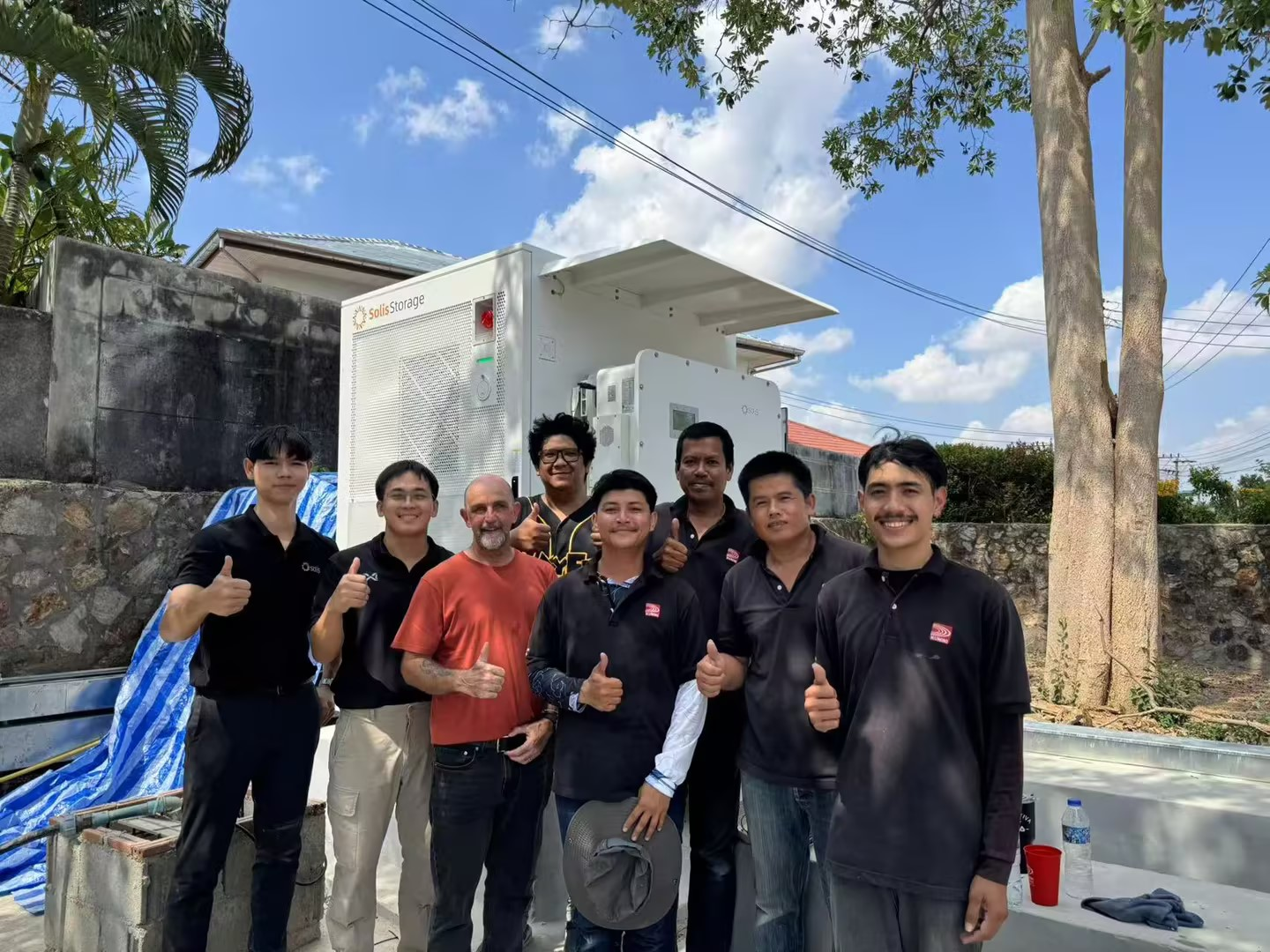
Self-consumption and backup in Thailand - 125 kW/522 kWh. A project owner deployed a 125 kW/522 kWh system for self-use and backup power, with a 20-year duration and stable operation, again delivering savings on electricity bills.
Residential applications - IntelliHome. For household use, the IntelliHome residential energy storage system uses LiFePO4 chemistry with 5 kWh nominal capacity, 44.8-57.6 V operating voltage, a 100 Ah rated cell, a recommended charge/discharge current of 50 A, a cycle life of more than 6,000 cycles or 10 years, and IP66 ingress protection.
Stackable small-site applications - FlexCore-ID. The stackable design uses the FlexCore-ID-BAT20kWh battery pack with LFP chemistry and 314 Ah cells, rated at ≥8,000 cycles at 25±2 °C and 0.5P to 70% end-of-life. It is intended for small farms, shopping malls, hospitals, large residences and small industrial and commercial enterprises - sites where discrete, expandable capacity is more practical than a single large cabinet.
Across these applications, the operating environment is the common thread: household outdoor and industrial outdoor installation, wide temperature ranges, coastal salt fog and high altitude, with 24/7 continuous operation in grid-tied and off-grid modes, under IP66/IP55 protection and a C5 anti-corrosion specification.
Platform-to-Project Mapping: EverCore ESS, FlexCore-ID and IntelliHome
The three platforms cover different project envelopes. The table below summarises the published specifications of each.
| Parameter | EverCore ESS | FlexCore-ID | IntelliHome |
|---|---|---|---|
| System type | C&I energy storage system | Stackable energy storage system | Residential energy storage system |
| Rated energy capacity | 100.5 / 120.6 / 261.2 kWh | FlexCore-ID-BAT20kWh battery pack | 5 kWh nominal |
| Inverter power rating | 50 / 60 / 125 kW | Not stated in the referenced data | Not stated in the referenced data |
| Battery type and cell | EVE LFP 3.2 V / 314 Ah | LFP / 314 Ah cell | LiFePO4 / 100 Ah rated cell |
| Cycle life | 8,000 cycles | ≥8,000 cycles at 25±2 °C, 0.5P, EOL 70% | >6,000 cycles / 10 years |
| Ingress protection | IP55 (cabinet) + IP66 (inverter) | Not stated in the referenced data | IP66 |
| Typical applications | Commercial and industrial users, renewable power plants, utility companies, industrial outdoor sites | Small farms, shopping malls, hospitals, large residences, small industrial and commercial enterprises | Household and residential use |
Used alongside the seven evaluation steps, the table answers the first filtering question - which platform fits the project envelope - before commercial terms are compared.
FAQ: Energy Storage System Supplier Evaluation
Which compliance and protection requirements should be confirmed before approving an ESS supplier?
In North America, ANSI/CAN/UL 9540:2023 covers energy storage systems intended to receive and store energy for delivery to loads or the local or area electric power system, and applies to residential and non-residential installations. Buyers should request product-level certification documents rather than accept a standard reference as evidence. On the product side, SolisStorage's EverCore ESS declares IP55 protection for the battery cabinet and IP66 for the hybrid inverter, together with a C5-grade anti-corrosion specification, and is designed for wide temperature ranges, coastal salt fog and high-altitude conditions.
How can a buyer verify an ESS supplier's manufacturing capability?
Ask for figures that can be audited: facility area, annual capacity, headcount, R&D engineer count, monthly production capacity and quality-control flow. SolisStorage discloses a 98,114.69 m² facility, 80 GW annual capacity, 5,000+ employees, 1,000+ R&D engineers, and global monthly capacity of over 10,000 units from integrated intelligent production lines, with quality control covering raw-material incoming inspection, aging tests, high-low temperature cycle tests, IP protection tests and 100% full functional testing before shipment.
What drives the commercial budget beyond the quoted unit price?
Order structure and lifecycle maintenance cost usually drive the real budget. SolisStorage's minimum order quantity is 1 unit for standard off-the-shelf models and 20 units for customized OEM orders, with a 30-45 day lead time for mass OEM orders. On maintenance, the company reports lifecycle savings of approximately €9,500 per EverCore unit by eliminating liquid-cooling fluid replacement (€2,500), simplifying PCS replacement (€1,500) and pack replacement (€1,500), and reducing routine inspection complexity (€4,000). These are company-reported figures and should be modelled against the buyer's own tariff structure and site access costs.
Can a standard unit be validated before a full-scale order?
Yes - the commercial structure allows a first unit to be ordered before a volume commitment. Standard off-the-shelf models have a minimum order quantity of 1 unit, and spot goods are available for standard models; customized OEM orders begin at 20 units. Validation should cover the site conditions the project will actually face, including switching behaviour, protection ratings, corrosion specification and operating temperature range.
What lead time and after-sales response should be written into the contract?
For SolisStorage, mass OEM orders carry a 30-45 day lead time, while standard models can be supplied from available spot goods. After-sales terms include 24/7 global remote technical support, 27 local overseas service centres, a 48-hour on-site fault handling and whole-machine replacement guarantee, and long-term spare parts supply. Buyers should confirm that these response times and spare-parts commitments are stated in the service agreement. To begin an evaluation for a specific project - sample configuration, quotation or delivery schedule - contact the team at sales@solisstorage.com.
Conclusion: Verify Capability, Then Verify Delivery
Energy storage system supplier evaluation works best as an evidence exercise. The framework in this article checks four things in sequence: whether a supplier can manufacture at scale and is accountable for it, whether the product architecture matches the project envelope, whether delivery and service commitments are documented, and whether commercial terms allow a low-risk first step.
Applied to SolisStorage, the disclosed record answers the first question with a 98,114.69 m² facility, 80 GW annual capacity, 5,000+ employees and 1,000+ R&D engineers; the second with the EverCore ESS platform, its AC-DC separated architecture, sub-10 ms switching, IP55/IP66 protection and C5 anti-corrosion specification; the third with 30-45 day lead times, 100% pre-shipment functional testing, 27 overseas service centres and a 48-hour on-site guarantee; and the fourth with a 1-unit MOQ for standard models. The delivered reference projects - 125 kW/261 kWh in Denmark and 125 kW/522 kWh in Thailand, both with reported bill savings and 20-year durations - show the framework operating outside the datasheet.
The next step is site-specific: match a platform to your load profile, confirm the protection and corrosion class required by the installation environment, and put the service commitments in writing before the order.

Request a sample configuration, quotation or project assessment
Email: sales@solisstorage.com · Tel/WhatsApp: +86 158-5815-3307 · Website: www.solisinverters.com
Download the Solis Global Brochure (PDF): Solis Global Brochure V3.9
Have Questions or Need More Details?
Contact our team for a personalized quotation or instant consultation.
Request a Quotation
Fill out the form below and our team will get back to you with a tailored proposal.
WhatsApp Direct Chat
Prefer to chat in real-time? Message us on WhatsApp for instant assistance & quick answers.
- Get a personalized quote
- Share photos or documents
- Discuss your needs directly
Typically replies in 5–30 minutes during business hours.