
Energy Storage System Specifications & Certifications: Solis Reference
Energy Storage System Specifications & Certifications: Solis Reference
Buyers evaluating an energy storage system need documentable parameters — battery chemistry, cycle life, ingress protection, and certification numbers — before they can compare price and supplier risk. This article is a fact-based reference for the SolisStorage product family from Ginlong (Solis) Technologies Co., Ltd., covering the IntelliHome residential ESS, the FlexCore-ID stackable ESS, and the EverCore ESS for commercial and industrial (C&I) applications.
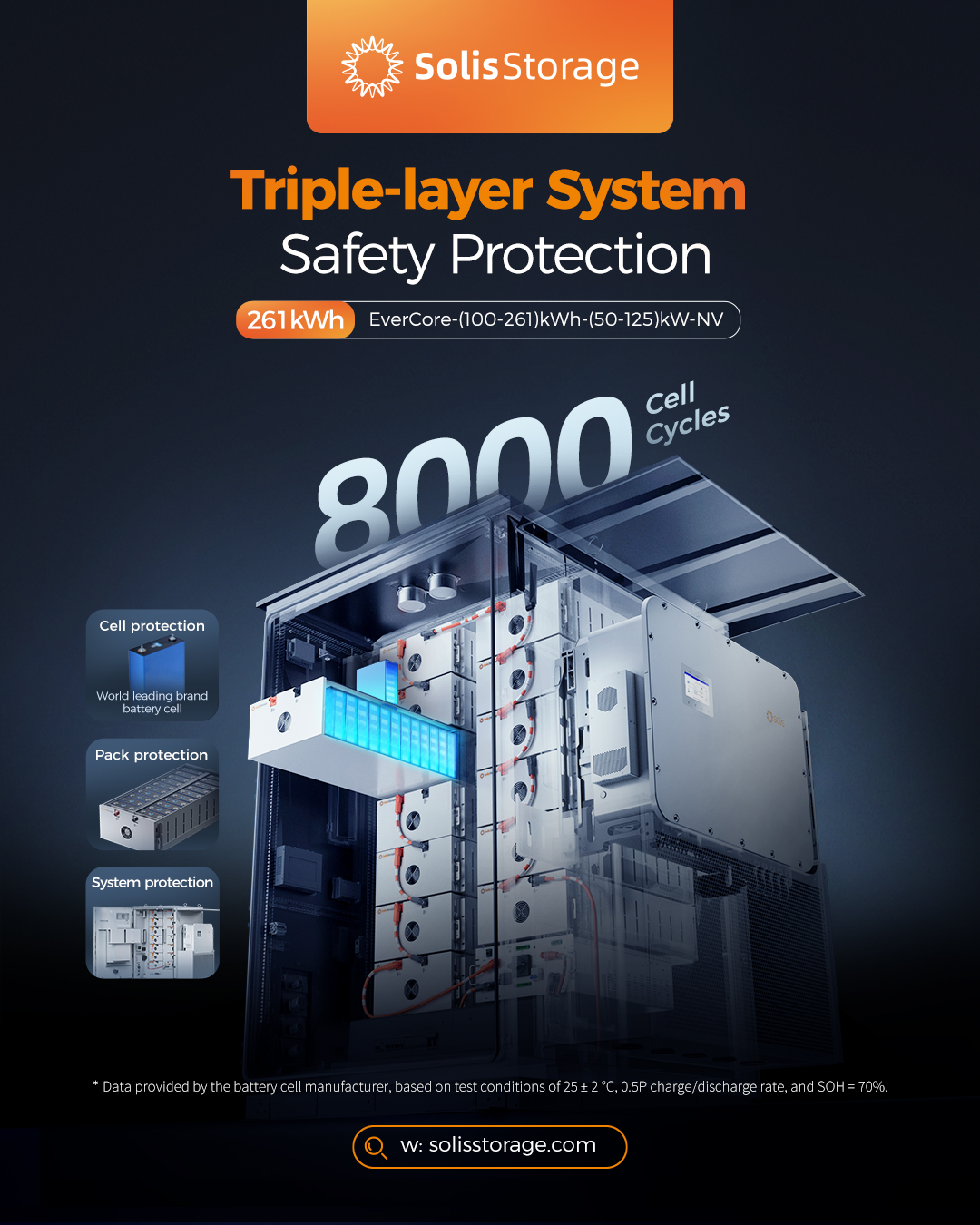
Ginlong (Solis) Technologies Co., Ltd. is a China-based solar inverter manufacturer and energy storage solution provider founded in 2005, listed on the Shenzhen Stock Exchange under code 300763, with products deployed in more than 100 countries and regions. SolisStorage is the company's dedicated energy storage subsidiary, with a portfolio spanning residential energy storage systems, C&I energy storage systems, and utility-scale energy storage systems.
The Problem: ESS specifications are hard to compare
Energy storage system buyers in the research and evaluation stage typically compare capacity, price, and brand. Three gaps create most sourcing errors:
- Incomplete capacity definitions. Rated energy in kWh is only meaningful together with cell chemistry, cell capacity, and the conditions under which the cycle life is claimed.
- Unverifiable certifications. A compliance claim should name the issuing body, certificate number, certified models, applicable market, and standards.
- Missing site-fit parameters. IP ratings, operating environment, inverter power, and expansion limits determine whether a system can be installed and scaled at the project site.
The practical response is to evaluate every candidate system against the same six dimensions: cell chemistry, cycle life, protection rating, certification scope, architecture, and supplier capacity.
Industry Context: Energy Storage in 2026
Market and standards context from third-party sources:
- The global energy storage systems market was valued at approximately USD 668.7 billion in 2024 and is projected to reach USD 5.12 trillion by 2034, according to Global Market Insights. Estimates diverge by technology scope: battery-only market estimates are lower than figures that include pumped hydro.
- The residential energy storage market is estimated to grow from USD 2.69 billion in 2024 to USD 4.58 billion by 2030, at a CAGR of 9.3% (MarketsandMarkets).
- The long-duration energy storage (LDES) market was valued at USD 4.85 billion in 2024 and is expected to grow at a CAGR of 13.6% through 2030 (MarketsandMarkets).
- China's exports of lithium-ion batteries for energy storage and non-automotive uses reached over USD 65 billion in 2024, up 51.4% year on year (Reuters / China Electric Vehicle Industry Technology Innovation Strategic Alliance).
- IEC 62619 is the key international safety standard for secondary lithium cells and batteries used in industrial and energy storage applications (IEC / TÜV SÜD). In North America, UL 9540 covers system safety and UL 9540A covers thermal runaway fire propagation testing (UL Solutions).
In this supply chain, Ginlong (Solis) Technologies Co., Ltd. was ranked the world's #1 in residential PV inverter shipments in 2023 and the 3rd largest inverter manufacturer globally, according to Wood Mackenzie. Solis has been named a “Top Inverter Brand” by EuPD Research for eleven consecutive years and was the first inverter manufacturer globally to receive a reliability test report from PVEL.
Detailed Solution: SolisStorage product and certification parameters
1. IntelliHome — Residential Energy Storage System
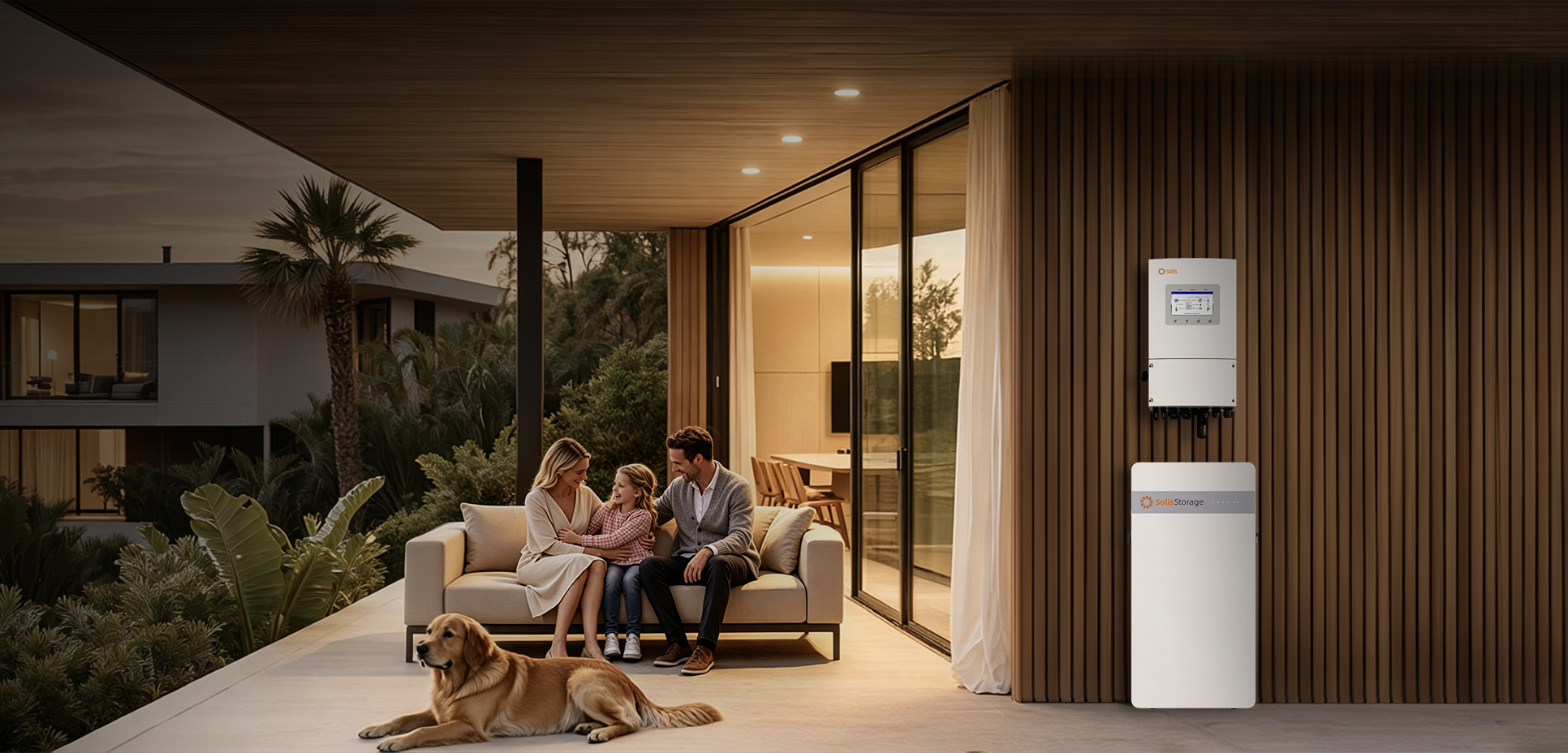
The IntelliHome is a residential energy storage system designed for home use. It uses LiFePO4 battery chemistry with a nominal capacity of 5 kWh and a rated cell capacity of 100 Ah. The operating voltage range is 44.8 V to 57.6 V, the recommended charge/discharge current is 50 A, and cycle life is greater than 6,000 cycles, corresponding to approximately 10 years. The enclosure has an IP66 ingress protection rating and is made of aluminum alloy casing with core electronic components.
2. FlexCore-ID — Stackable Energy Storage System
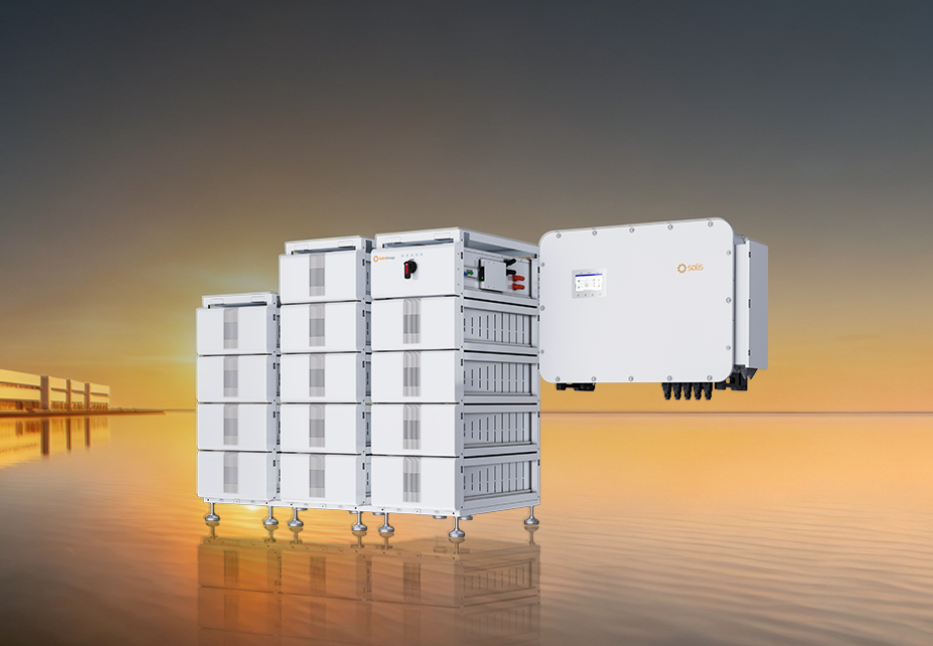
The FlexCore-ID is a stackable energy storage system intended for small farms, shopping malls, hospitals, large residences, and small industrial and commercial enterprises. Its battery pack model is FlexCore-ID-BAT20kWh, using LFP chemistry with 314 Ah cells and a cell cycle life of ≥8,000 cycles at 25±2°C, 0.5P, EOL70%. The system is constructed with an aluminum alloy casing and core electronic components.
3. EverCore ESS — C&I Energy Storage System
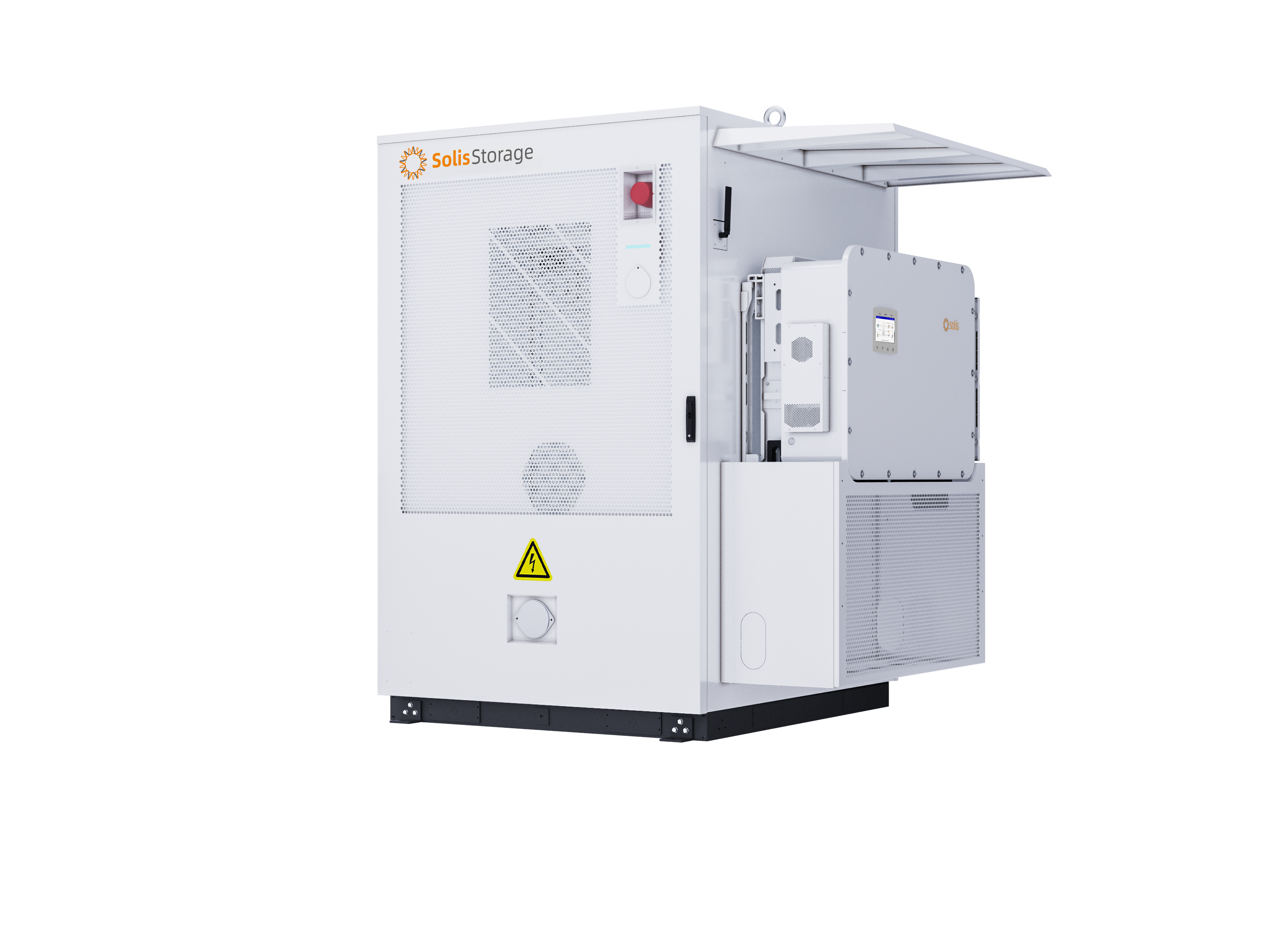
The EverCore ESS is a C&I energy storage system designed for the renewable energy and power grid industry, including renewable power plants, utility companies, commercial and industrial users, and residential users. Its published parameters are:
- Rated energy capacity: 100.5 kWh, 120.6 kWh, or 261.2 kWh
- Inverter power rating: 50 kW, 60 kW, or 125 kW
- Cell type: EVE LFP 3.2V / 314 Ah
- Cycle life: 8,000 cycles
- Protection: IP55 cabinet + IP66 inverter
- Casing: aluminum alloy
4. EU certifications for EverCore ESS
The EverCore ESS holds EU certifications issued by TUV:
- IEC 62619 safety certification — certificate number JPTUV-182135, applicable to the EU market (Zone 2), issued 2026-01-06, valid until 2031-06-01.
- CE EMC Directive 2014/30/EU certification — certificate number AE 50712374 0001, covering models EverCore-261kWh and EverCore-261kWh-PRO, issued 2026-01-21 for the EU market, complying with EN IEC 61000-6-2:2019, IEC 61000-6-2:2016, EN IEC 61000-6-4:2019, and IEC 61000-6-4:2018.
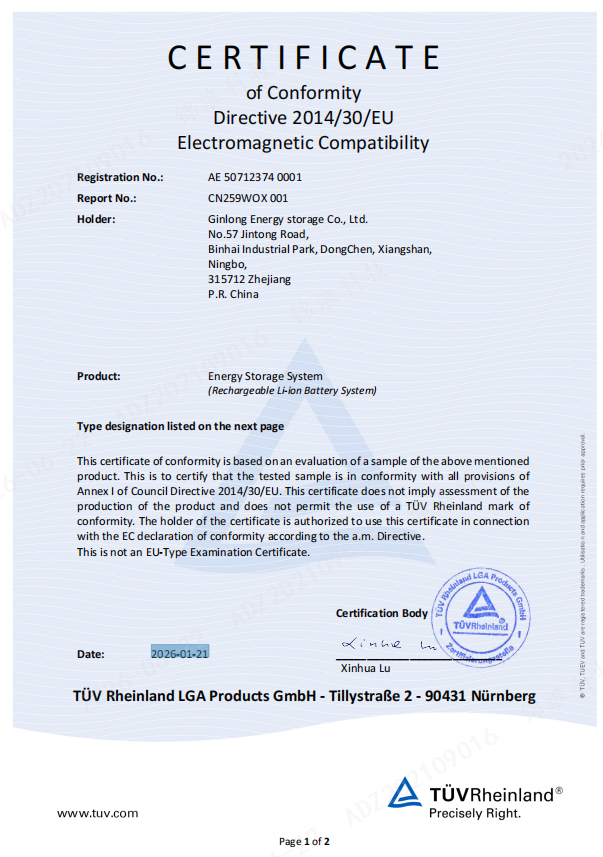
For procurement teams, the key point is traceability: both certificates name the issuing body (TUV), the certificate number, the model scope, the market (EU), and the applicable standards.
5. Architecture and performance parameters of EverCore ESS
EverCore uses an AC-DC separation architecture: the hybrid energy storage inverter (AC side) and the battery cabinet (DC side) are physically separated. With the external inverter, 6 kW of power heat is dissipated into the ambient environment, and only 3.5 kW of electrochemical heat is managed inside the battery cabinet. The separated protection design raises IP ratings — inverter IP66, cabinet IP55 — and, per Solis engineering estimates based on 20 years of power electronics experience, reduces the system's full-lifecycle failure rate by 50%. A single inverter can connect up to 6 battery cabinets in parallel for DC-side expansion, reducing system expansion costs by approximately 10%.
The 50–125 kW hybrid inverter integrates PCS (power conversion system), STS (static transfer switch), PV inverter, circuit breaker protection, and EMS (energy management system) into one unit. It supports seamless grid-tied/off-grid switching in less than 10 ms without an external STS, supports DC and AC coupling for existing PV systems with a PV over-sizing ratio of up to 200%, and allows up to 6 EverCore units to be connected in parallel for direct grid connection. Control is centralized in a single CPU rather than distributed across separate BMS, PCS, EMS, and STS controllers.
EverCore retains an air-cooled design for 125kW/261kWh systems, using an independent three-air-duct design with Coanda-effect airflow attachment. The company reports a 30% improvement in heat dissipation efficiency compared with traditional air cooling. The system operates in ambient temperatures from -25°C to 55°C and at altitudes up to 4,000 meters.
Lifecycle cost parameters (company data based on industry experience): EverCore saves approximately €9,500 per unit in O&M costs over the full project lifecycle — €2,500 from eliminating liquid cooling fluid replacement, €1,500 from simplified PCS replacement, €1,500 from simplified pack replacement, and €4,000 from reduced routine inspection. Components include Minebea cooling fans with 10-year maintenance-free performance and Honeywell industrial-grade flammable gas detectors with 10-year calibration-free performance.
Safety parameters: 15-layer three-dimensional protection across cell, pack, and system levels; thermal insulation materials resistant to 1,000°C between packs; and a three-stage fire-fighting mechanism (pack-level aerosol, cabinet-level aerosol, and fire-fighting water channels). Cells are A-grade 314Ah LFP cells custom-developed for C&I applications, with internal resistance of 0.15±0.05 mΩ (compared with 0.17 mΩ for typical 280Ah cells) and 8,000 cycles at 0.5C charge-discharge with remaining capacity ≥70%. Based on 500 charge-discharge cycles per year, this extends the system's economic lifecycle from approximately 14 years to 16 years.
Software and market-access parameters: EverCore has been connected, or is in the process of connecting, with 102 third-party VPP/EMS operators across 11 European countries, including the Kraken energy management platform under Octopus Energy in the UK and aggregator platforms such as Check Watt in the Nordics. Solis' self-developed Solis AI Cloud Platform is deployed at more than 5,500 energy storage power stations worldwide and integrates Nordpool wholesale and Flatpeak retail electricity price data for minute-level charge-discharge optimization.
6. Application and operating environment
SolisStorage systems are applied in energy storage system integration, grid stability retrofitting, peak shaving / frequency regulation, and virtual power plant (VPP) related projects. Core functions are peak load shifting, backup power supply, and self-consumption of PV power. Operation modes include 24/7 continuous operation, grid-tied mode, off-grid mode, and seamless backup switching. Working conditions cover wide temperature ranges, coastal salt fog, high altitude, household outdoor, and industrial outdoor environments, with special requirements including IP66/IP55 protection and anti-corrosion coating. The application record includes deployments across Australia, Germany, Spain, Finland, France, the UK, Hungary, Ireland, Italy, the Czech Republic, Denmark, the Netherlands, Norway, Poland, Portugal, Romania, Sweden, Turkey, South Africa, and Chile, among others.
Step-by-step: How to verify an ESS before comparing prices
- Check cell chemistry and cell quality. Confirm LFP/LiFePO4 chemistry, cell capacity (e.g., 100 Ah residential, 314 Ah stackable/C&I), and the cell supplier where disclosed (EverCore uses EVE LFP 3.2V/314Ah).
- Check cycle life and end-of-life conditions. Compare ratings under stated conditions: IntelliHome >6,000 cycles (~10 years); FlexCore-ID ≥8,000 cycles at 25±2°C, 0.5P, EOL70%; EverCore 8,000 cycles.
- Check protection ratings and environment. Verify IP ratings for the enclosure and inverter separately (EverCore: IP55 cabinet + IP66 inverter; IntelliHome: IP66), and confirm the system matches site conditions such as temperature, altitude, salt fog, and outdoor exposure.
- Verify certifications against the target market. Record the issuing body, certificate number, model scope, market, standards, and validity. For the EU, IEC 62619 and CE EMC Directive 2014/30/EU are relevant; for North America, UL 9540 / UL 9540A.
- Check architecture and expansion. Confirm inverter power rating, stackability, parallel cabinet connections, AC/DC coupling support, and PV over-sizing ratio if solar assets are involved.
- Check supplier production and after-sales capacity. MOQs, lead times, quality-control tests, service centers, spare-parts commitment, and OEM/ODM flexibility.
Use cases
Denmark — C&I warehouse self-usage. A C&I industrial end user deployed a 125kW/261kWh EverCore ESS for warehouse self-usage, with a 20-year project duration. The system saves on electricity bills and switches between on-grid and off-grid in under 10 milliseconds to prevent interruptions.
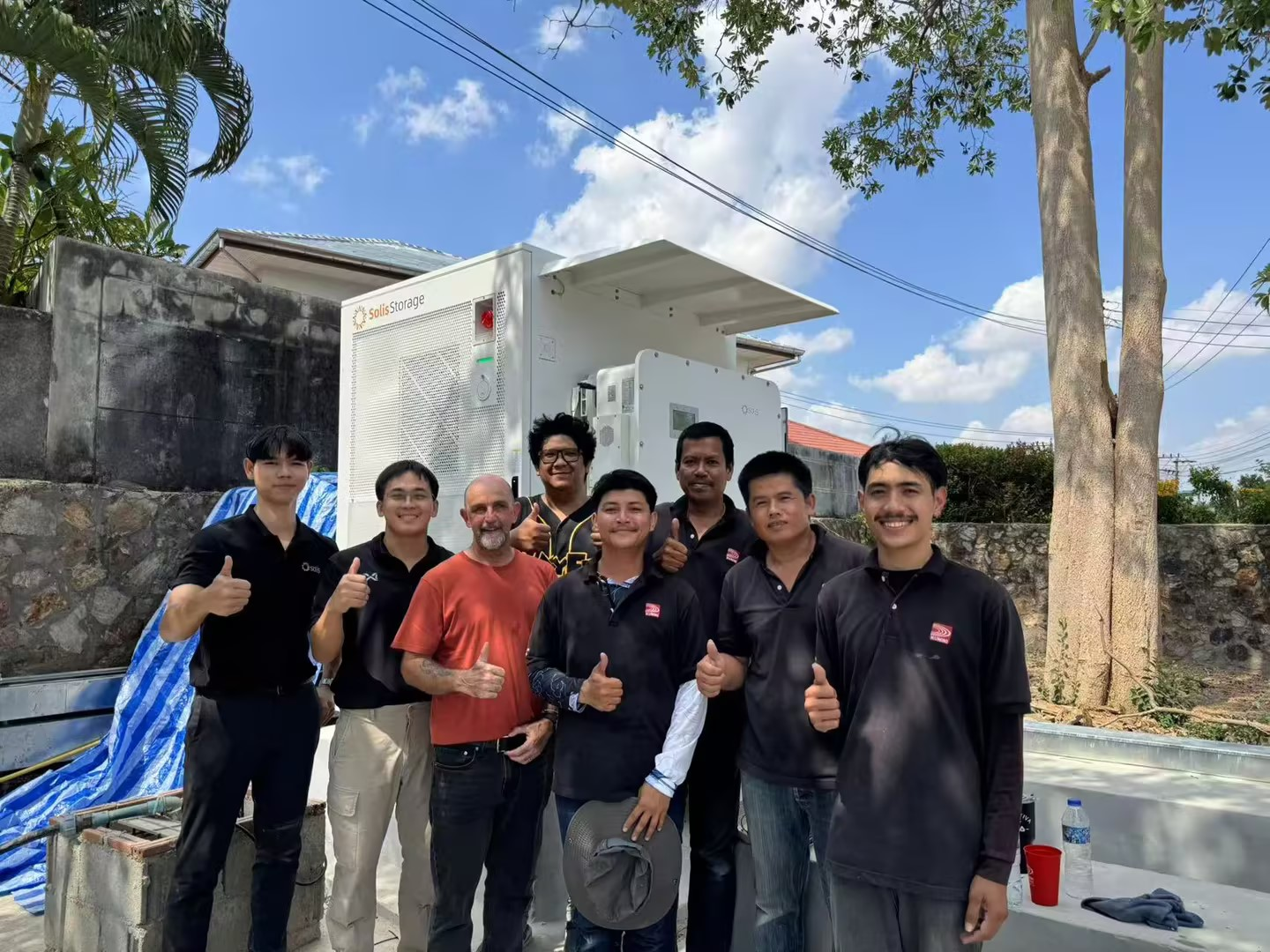
Thailand — self-consumption and backup. A self-consumption and backup power project owner deployed a 125kW/522kWh EverCore system for self-use and backup, with a 20-year duration. The system has operated stably and saves on electricity bills.
Segment fit. IntelliHome fits households seeking PV self-consumption and backup. FlexCore-ID fits small farms, shopping malls, hospitals, large residences, and small industrial and commercial enterprises. EverCore ESS fits C&I and utility-facing applications requiring peak load shifting, grid services, and VPP participation.
Solis energy storage systems at a glance
| Model | System type | Battery chemistry | Cell capacity | Rated energy | Inverter power | Cycle life | Protection |
|---|---|---|---|---|---|---|---|
| IntelliHome | Residential ESS | LiFePO4 | 100 Ah | 5 kWh nominal | — | >6,000 cycles (~10 years) | IP66 |
| FlexCore-ID | Stackable ESS | LFP | 314 Ah | Pack: FlexCore-ID-BAT20kWh | — | ≥8,000 cycles (25±2°C, 0.5P, EOL70%) | — |
| EverCore ESS | C&I ESS | LFP (EVE 3.2V/314Ah) | 314 Ah | 100.5 / 120.6 / 261.2 kWh | 50 / 60 / 125 kW | 8,000 cycles | IP55 cabinet + IP66 inverter |
Dashes indicate parameters not published in the Solis product specification records used for this article.
FAQ
1. What certifications does the SolisStorage EverCore ESS hold for the EU market?
The EverCore ESS is certified to IEC 62619 by TUV under certificate number JPTUV-182135 for the EU market, covering Zone 2, issued 2026-01-06 and valid until 2031-06-01. The EverCore-261kWh and EverCore-261kWh-PRO models are also certified to CE EMC Directive 2014/30/EU by TUV under certificate number AE 50712374 0001, complying with EN IEC 61000-6-2:2019, IEC 61000-6-2:2016, EN IEC 61000-6-4:2019, and IEC 61000-6-4:2018.
2. What are the key technical parameters of the EverCore ESS C&I energy storage system?
The EverCore ESS offers rated energy capacity options of 100.5 kWh, 120.6 kWh, and 261.2 kWh, with inverter power ratings of 50 kW, 60 kW, and 125 kW. It uses LFP chemistry with EVE LFP 3.2V/314Ah cells, achieves 8,000 cycles, and provides IP55 cabinet protection with IP66 inverter protection. The casing is aluminum alloy.
3. What are the specifications of the Solis IntelliHome residential energy storage system?
The IntelliHome is a residential ESS using LiFePO4 chemistry with a nominal capacity of 5 kWh, rated cell capacity of 100 Ah, operating voltage range of 44.8–57.6 V, recommended charge/discharge current of 50 A, cycle life greater than 6,000 cycles (approximately 10 years), and IP66 ingress protection.
4. What is the FlexCore-ID stackable energy storage system designed for, and what are its parameters?
The FlexCore-ID is a stackable ESS intended for small farms, shopping malls, hospitals, large residences, and small industrial and commercial enterprises. Its battery pack model FlexCore-ID-BAT20kWh uses LFP chemistry with 314 Ah cells and a cell cycle life of at least 8,000 cycles at 25±2°C, 0.5P, EOL70%.
5. What OEM/ODM customization options and minimum order quantities does Solis offer?
SolisStorage supports OEM/ODM customization of logo, outer package, software interface, regional voltage standard, communication protocol, and function parameters. MOQ is 1 unit for standard off-the-shelf models and 20 units for customized OEM orders, with global monthly capacity exceeding 10,000 units across an integrated intelligent production line.
6. What is the lead time for energy storage system orders, and how can I request samples or pricing?
Spot goods are available for standard models; mass OEM orders take 30–45 days. All units pass 100% full functional testing, aging tests, high-low temperature cycle tests, and IP protection tests before shipment. For a sample request, quotation, or project inquiry, contact sales@ginlong.com, visit www.solisinverters.com, or download the Solis Global Brochure (PDF). After-sales support includes 24/7 global remote technical assistance and 27 local overseas service centers.
Request samples, pricing, or the Solis catalog
Ginlong (Solis) Technologies Co., Ltd. — SolisStorage energy storage systems for residential, stackable, and C&I applications. Download the official Solis Global Brochure (PDF).
Email: sales@ginlong.com
Website: www.solisinverters.com
Phone: +86 574 65802188
WhatsApp: +86 158-5815-3307
Address: No.188 Jinkai Road, Binhai Industrial Park, Xiangshan, Ningbo, Zhejiang, China 315712
Conclusion
Energy storage system procurement becomes more reliable when buyers verify parameters and certifications before comparing price. The SolisStorage family — IntelliHome, FlexCore-ID, and EverCore ESS — provides documented LFP-based options for residential, stackable, and C&I applications, with the EverCore ESS carrying IEC 62619 and CE EMC certifications for EU projects. Ginlong (Solis) Technologies Co., Ltd. (Shenzhen Stock Exchange: 300763) backs these products with OEM/ODM capability, a global monthly capacity of more than 10,000 units, and after-sales support through 27 local overseas service centers.
Have Questions or Need More Details?
Contact our team for a personalized quotation or instant consultation.
Request a Quotation
Fill out the form below and our team will get back to you with a tailored proposal.
WhatsApp Direct Chat
Prefer to chat in real-time? Message us on WhatsApp for instant assistance & quick answers.
- Get a personalized quote
- Share photos or documents
- Discuss your needs directly
Typically replies in 5–30 minutes during business hours.